

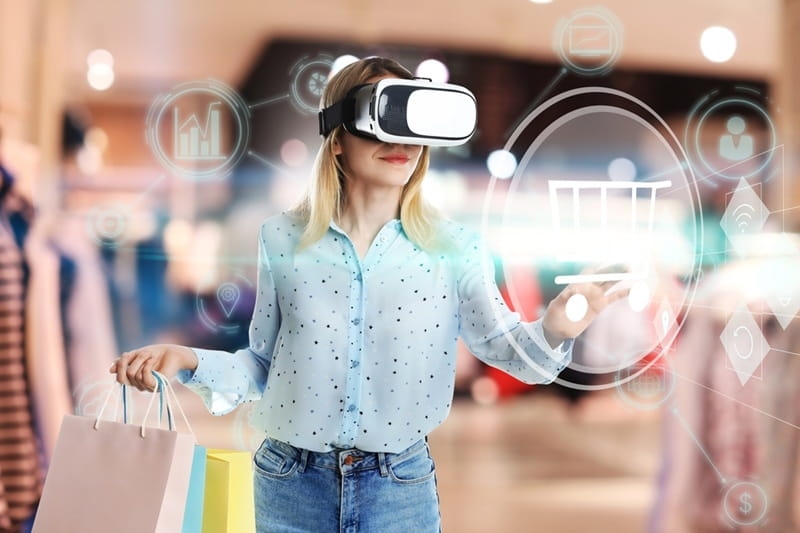
Shopping today is way more than just wandering into a shop or endlessly scrolling through online stores. People are craving more, like something interactive or a shopping experience that feels totally designed for them.
The habits we pick up online totally shape how we buy stuff, and that is why stores need to step up their game, throwing in fresh tech to keep up with those higher demands. And at the heart of all this is augmented reality. Augmented Reality Applications are transforming how we shop and how brands connect with regular folks like us.
Augmented reality adds a whole new dimension to the shopping experience, both online and offline. Thanks to AR, it is like seeing products in real-time and interacting with them; it is no longer just looking at boring pictures on a screen. This is helping many people make better decisions before they hit that buy button.
Stores are getting creative with AR use cases, mixing convenience with that hands-on feel we all love. Shopping online? You can actually visualize how a product fits or looks in your home.
Trying to find the perfect product can feel like a headache sometimes. AR is kind of solving that problem for us. It transforms what used to be tedious searching into something you actually want to do.
Think about it like this:
It results in less confusion, which means you feel more confident in your choices. You understand what you are buying; it makes you feel good, and you are much more likely to go through with that purchase.
Stores spanning different industries are really diving into AR to tackle those annoying shopping issues. In fashion, you can try on items like clothes, shoes, or accessories without stepping outside your front door. When it comes to home decor, you can see how that stylish new couch would fit in your living room. And in beauty? Brands let you instantly test makeup shades on your own face.
All AR use cases make shopping feel better for everyone involved. The brands appreciate it too; they notice fewer returns of items and gain trust from their customers. AR is more than just a flashy add-on; it is a smart investment.
The AR features that people keep coming back to are super straightforward and genuinely handy. Think about those virtual fitting rooms, interactive packaging, or easily seeing how a product will look in your own space.
And there are other augmented reality examples, like scanning a label to learn its story. You can snag special offers with a quick AR interaction. Or perhaps get some help while you are shopping in-store. None of these is just extra fluff; they truly enhance the shopping experience, making it smoother and more enjoyable.
AR in business has totally moved beyond the phase of just experimental marketing tricks. It gives businesses a clearer picture of what their customers desire and the way they prefer to shop.
For employees, AR translates into quicker and smarter training sessions. Staff can dive into learning about products or the layouts of their stores, which means they provide better service and create a more uniform experience for shoppers.
These days, it is so simple for retailers to dip their toes into AR. Most of the solutions let you get started right on your phone or via a web browser, no expensive gadgets needed.
Here are a few practical AR tools that are pretty popular right now:
Retailers can take baby steps initially, experimenting with AR features to see what resonates, and then scale up as customers show interest. It is all about making shopping more enjoyable, step by step.
You know, when you step into a store nowadays, you can tell things have moved beyond the old-school vibe. Augmented reality? Yeah, it is really shaking things up. Like, imagine a display that brings up current reviews while you're checking out something, or a mirror that suggests outfits as you try them on.
Some shops even allow you to whip out your phone and find what you want in a flash. It is this cool mix of what is real and digital, kinda like magic, that makes shopping a lot more fun and memorable. Shoppers seem to hang around longer, actually enjoying the search.
Shopping online is super easy, but then again, you do not really get to hold the stuff before you buy. That is where AR comes in and works its charm. Suddenly, you can see how a couch fits in your living room or try on those fancy sunglasses without actually putting them on.
That little touch of reality makes decision-making way easier. People think twice less, cart abandonment is down, and they feel pretty good about their choices.
A lot of folks get AR and VR mixed up, but they are not the same ball game. AR is about adding cool digital stuff to the real world. VR, on the flip side, throws you into its own whole digital universe. In retail, AR just jives better with our everyday experiences.
You can pull AR up on your phone; you do not need any of those bulky goggles or wild setups. It is practical and does not empty your wallet.
If you are looking for customers who keep coming back, trust is key. People want the real deal without any surprises or hidden issues. AR is great for that, showing off products in a way that feels upfront. You can zoom in, spin around, and check every little detail, so you know what you are getting. When shoppers feel in the loop, they tend to return. It really is that straightforward.
So, AR is not just some flashy tech; it can really personalize shopping experiences, too. Stores use what they know about you, your style, past purchases, and even your location, to tailor what shows up for you. Maybe you get suggestions that actually suit your taste, or a special offer pops up just for you. These experiences make customers feel valued rather than targeted.
All of this sounds fantastic, but it only works if stores do it right. AR needs to be based on solid data, run smoothly, and look good. If it starts glitching or feels clunky, trust me, people will get irritated pretty quickly.
To create an AR product that stands the test of time, the best course is to choose small-scale AR capabilities that address actual issues. After your ideas have been tested, take into account what works or doesn't, listen to your clients, and enhance your idea.
AR is really shaking up how people shop. It blends the ease of online shopping with the assurance of seeing products right in front of you. Customers dive deeper into product details, worry less, and just have a blast.
Knowing the difference between AR and VR can really help you make clever choices, and a solid AR in business can stay ahead of the curve.
AR in retail lets you see product info, images, or reviews right on top of what you are looking at using your phone or store tech, making shopping so much more engaging.
AR helps you visualize products clearly and feel confident before making a purchase.
AR sprinkles digital elements over the real world while VR drops you in a complete virtual universe. For regular shopping, AR just seems to fit better.
Absolutely! Plenty of AR tools are wallet-friendly and easy to expand, so even small shops can dive in without going broke.
This content was created by AI